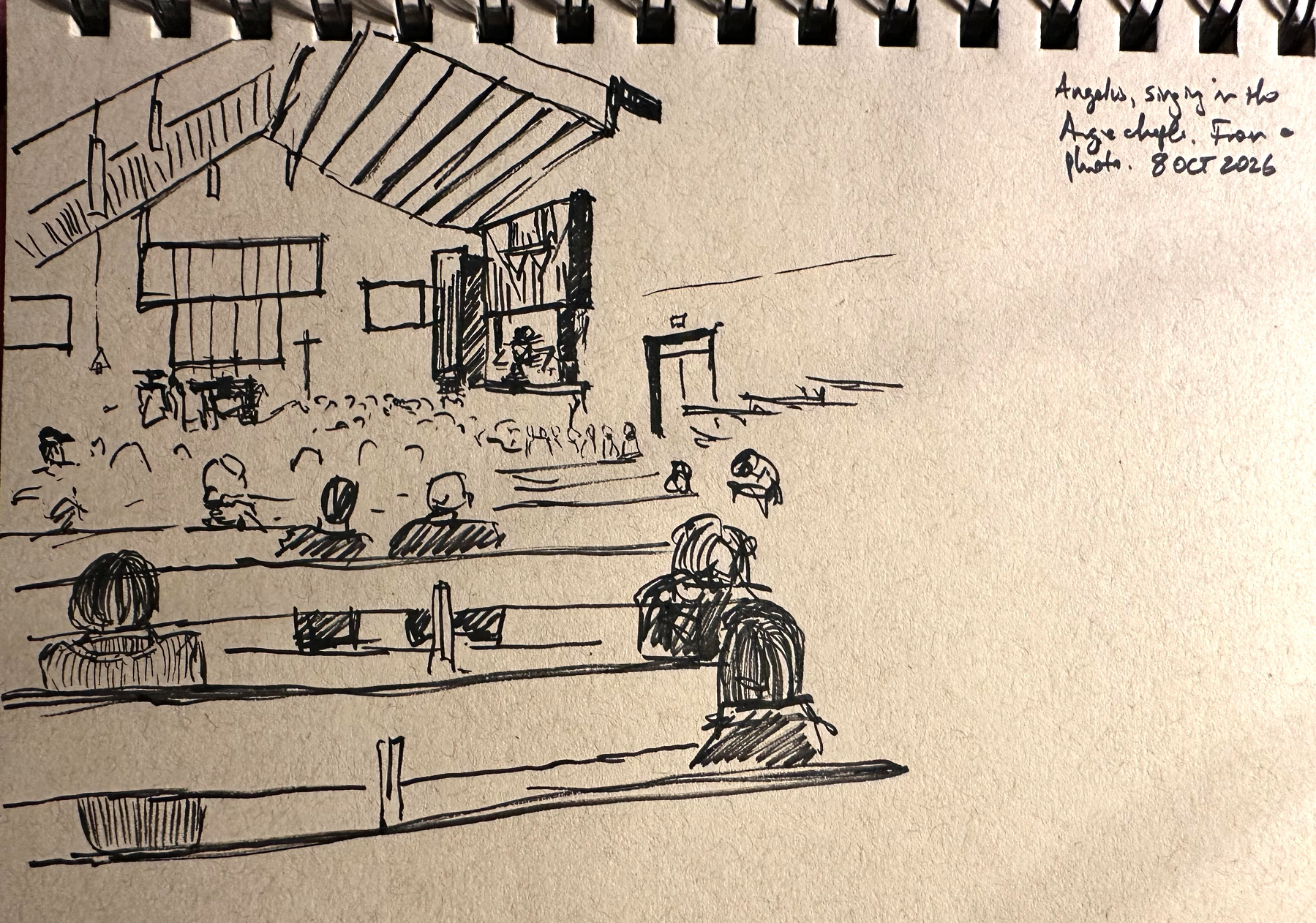
Troll-treasure
Last night, while re-reading LOTR, I was reminded that the Sackville-Bagginses and so many others thought Bilbo had vast treasure because he was so often giving gifts and sharing good things with others. But when Frodo and his friends are standing by the stone trolls Frodo tells them that none of the troll-treasure remained. Bilbo gave it all away, because he did not feel it was right for him to hoard for himself that which had been stolen from others. He redeemed the theft and made the treasure clean in the only way I know how: by giving it to those who needed it most.
Straw Boy
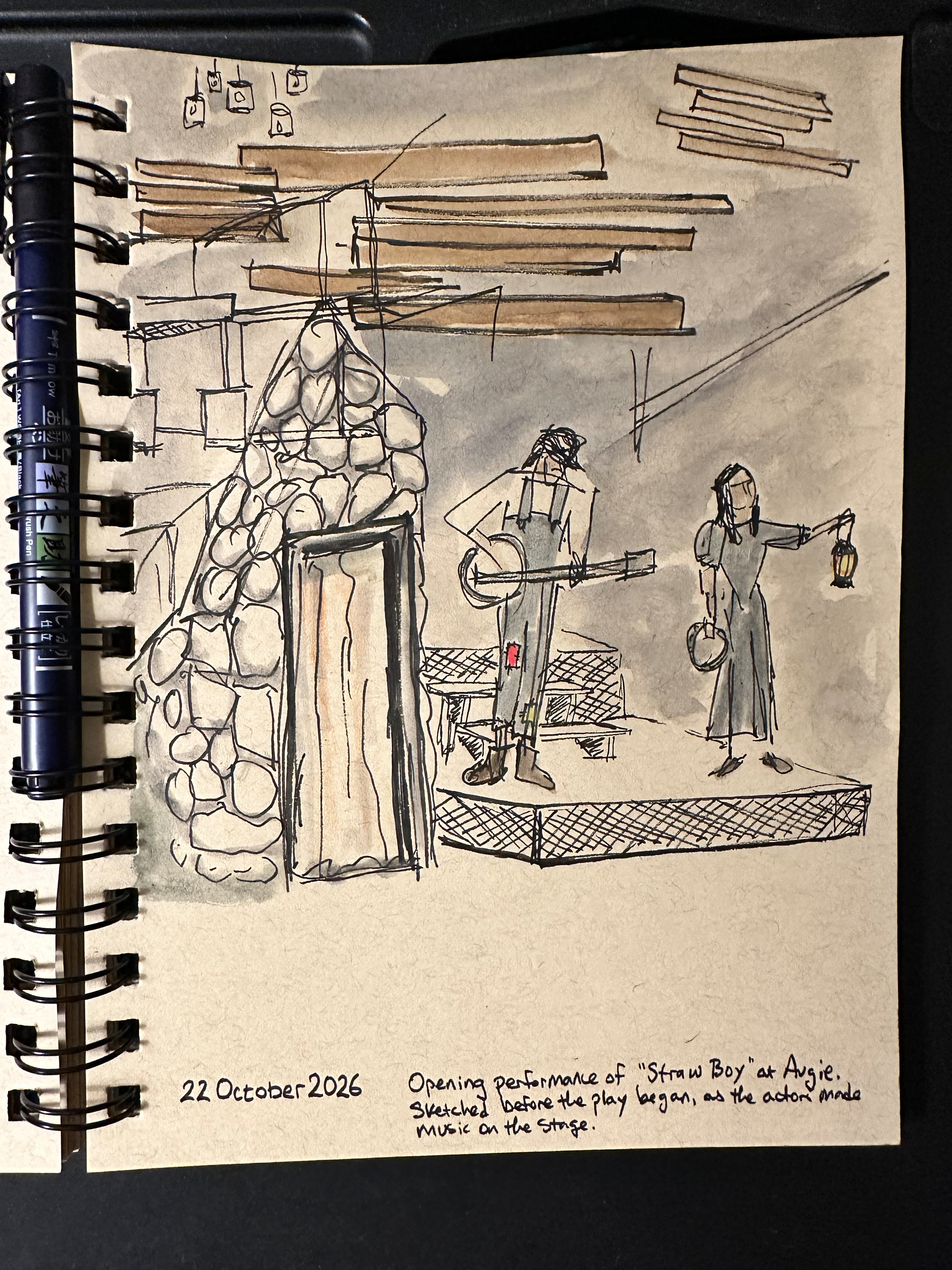
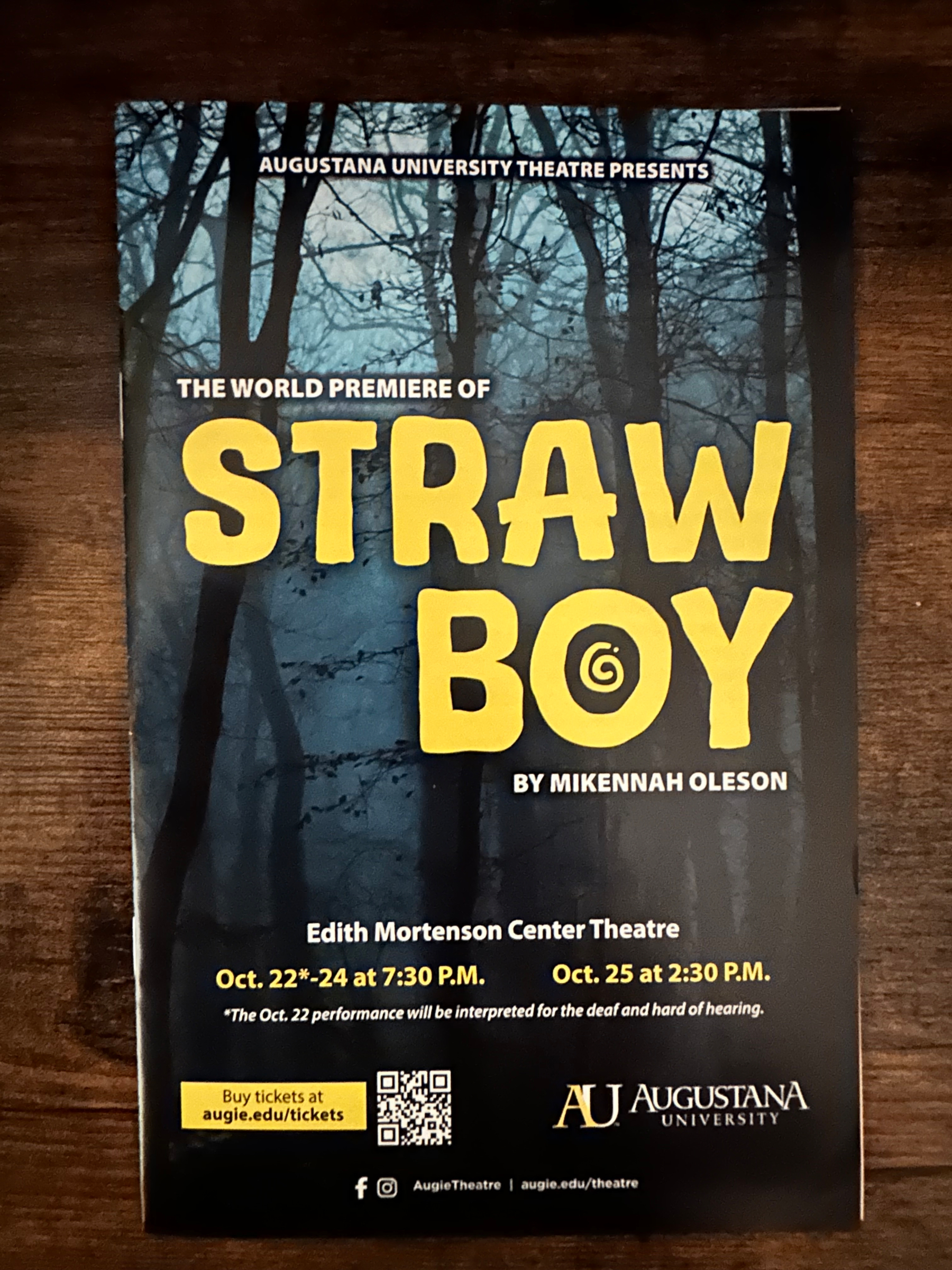
Saw the workd premiere of the new play “Straw Boy” on my campus last night. Written, directed, performed by Augie students. Quite a remarkable achievement. And a beautiful one. The script, set design, music, dancing, acting — all of it was the result of creative work done by my students. This makes me glad and it makes me proud.
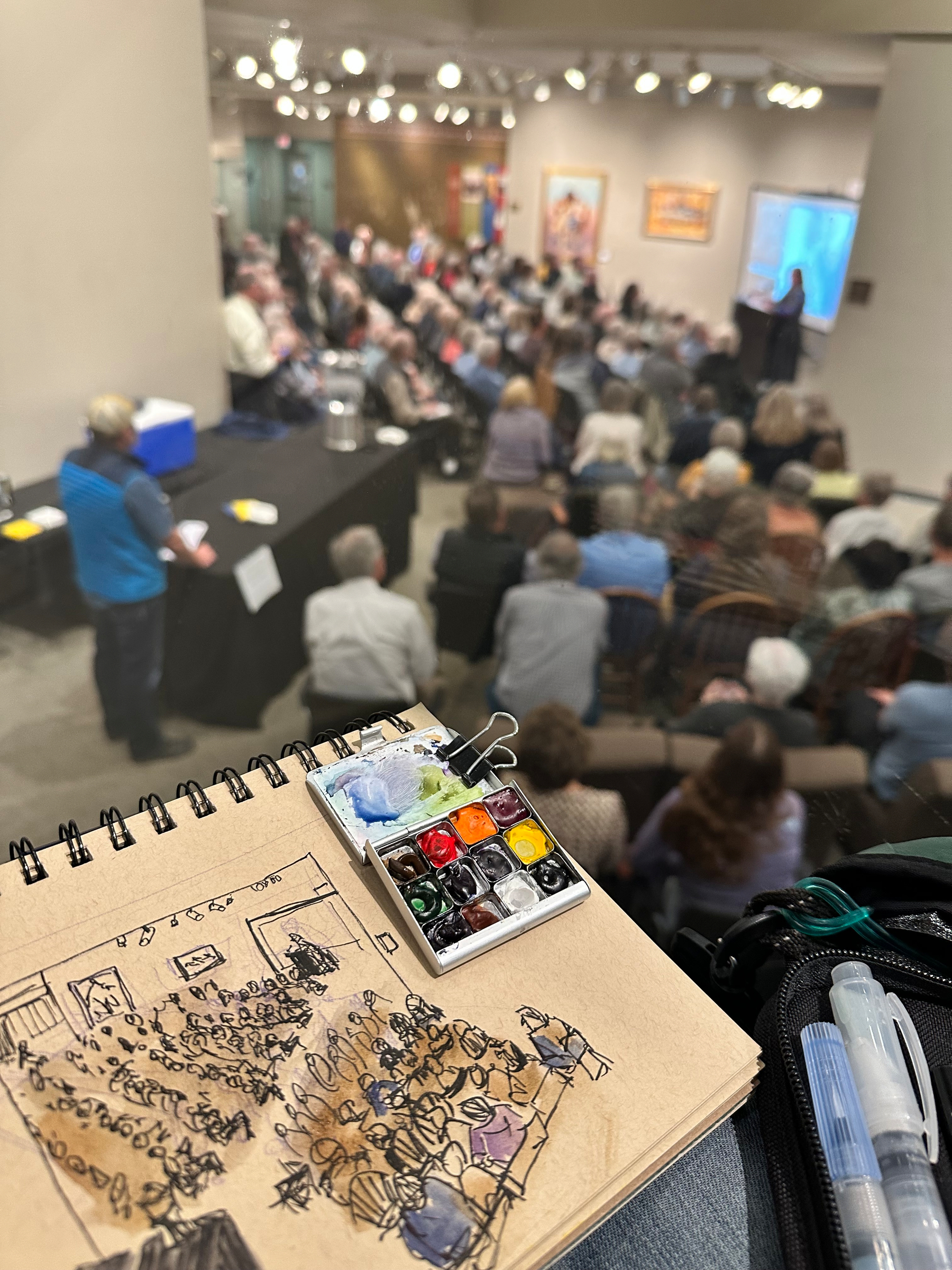
I sketched before rhe play began, while the actors and musicians were doing a little pre-performance warmup on stage.
Polygonia
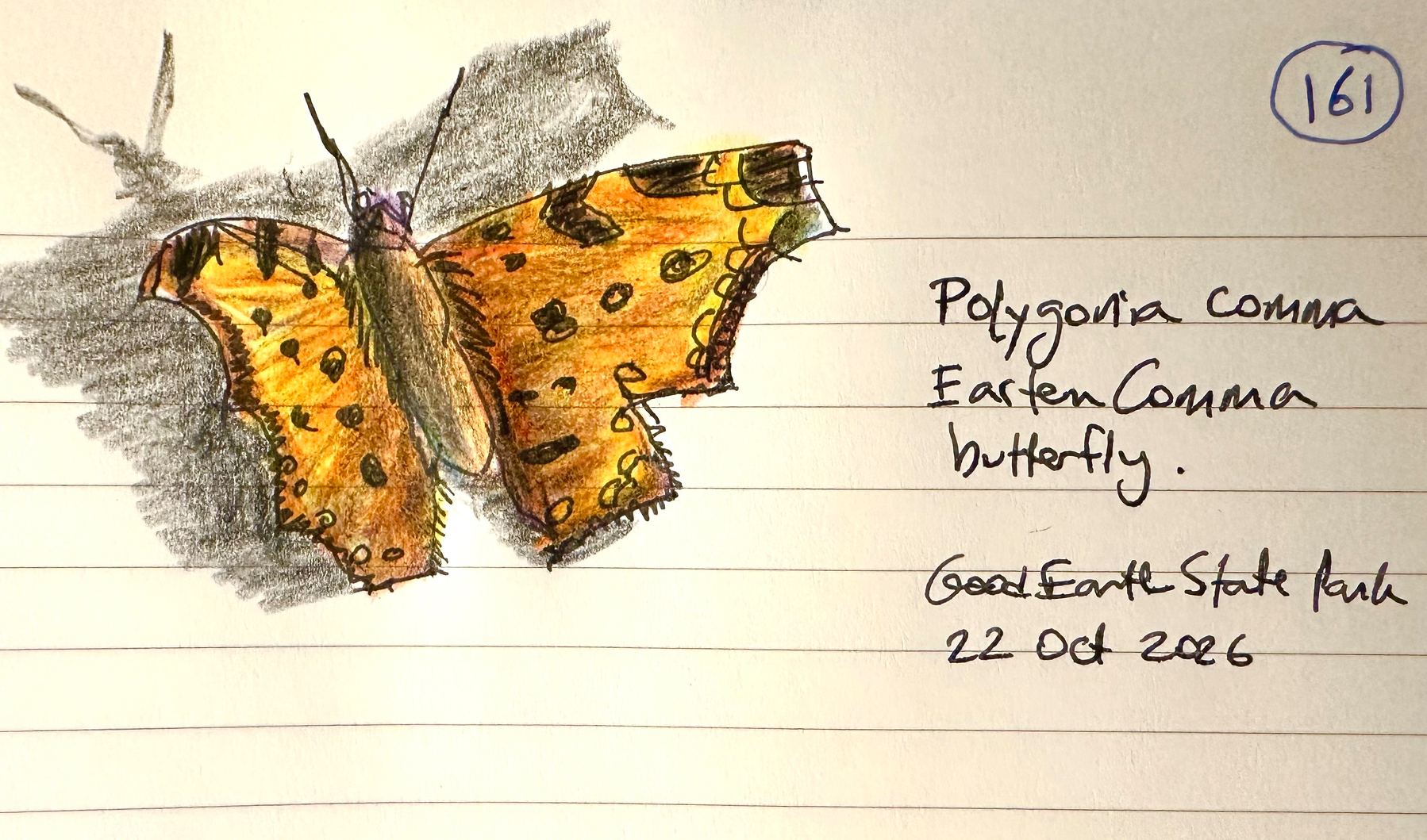
Polygonia comma
Often I sketch from the day’s occasional photos in my journal. Which means I have a lot of insect sketches in my journal.
Here is one such sketch from today.
I usually make my sketches as, well, sketches. That is, I don’t try to make them perfect. Rather, I try to make them quickly.
This one was done with a Pilot kaküno fountain pen and some colored pencils.
I keep a mix of colored pencils in my art bag, and I treat them much as I treat the flies in my fishing vest: while it is lovely to “match the hatch” and have the perfect tool, there’s something good about using what you have ready at hand, and not worrying about perfection.
Phenology
On our kitchen wall we keep a phenology calendar.
In the springtime we pay attention to what is appearing: When did we see the first migratory birds? When did the daffodils bloom?
In the autumn we watch what is leaving: When did the hummingbirds last come to the garden? When did the last monarch fly through on its way south? When did the dragonflies stop flying?
Today I harvested what are probably the last beans from our garden. There are a few tomatoes down low, close to the ground where frost has not bitten them. The cucumbers are all done, and one orange pumpkin hangs from the cattle panel I used as a trellis.
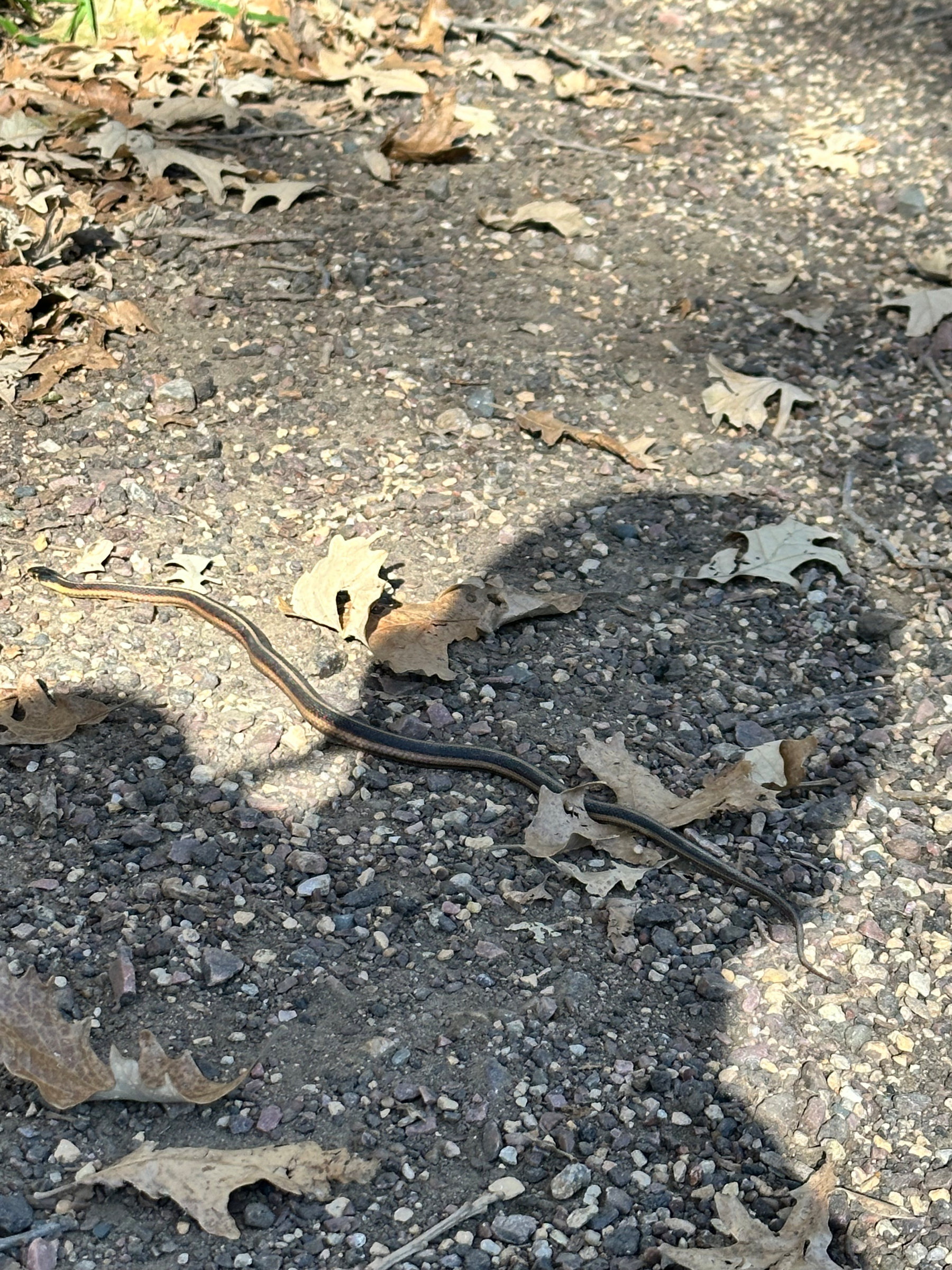
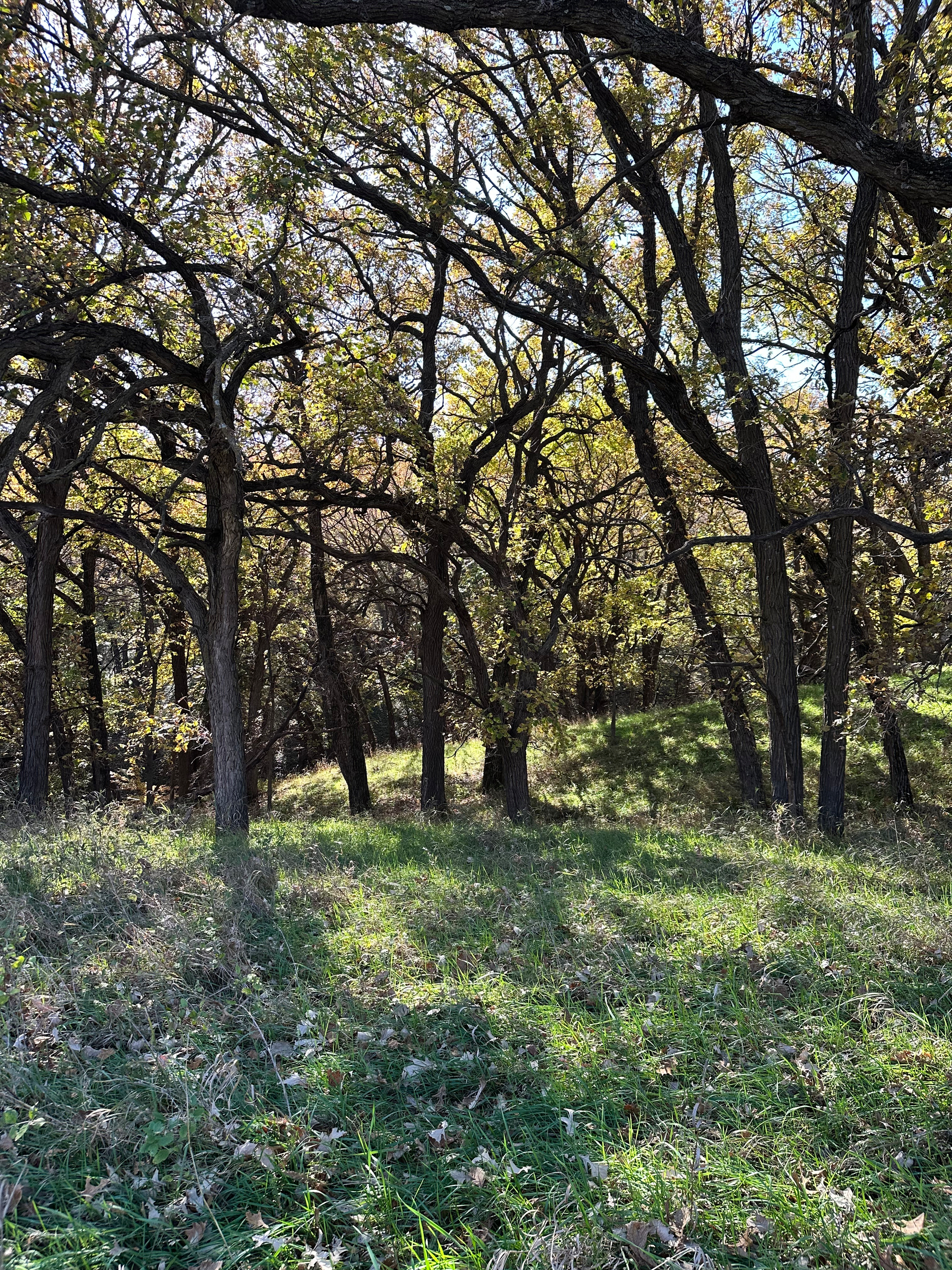
Before lunch I went for a run at the state park. (Thursday is my writing-and-grading day this semester, and sometimes I also add an extra workout.) There, at Good Earth, I saw a garter snake. Surprising to see one so late in the season! But along those wooded riverine trails there are hibernacula for the red-bellied snakes, and I imagine that the garter snakes and fox snakes (saw my first western fox snake this year on May 4th, according to the calendar in the kitchen) go there, too, to huddle and cuddle their way through the long winter.
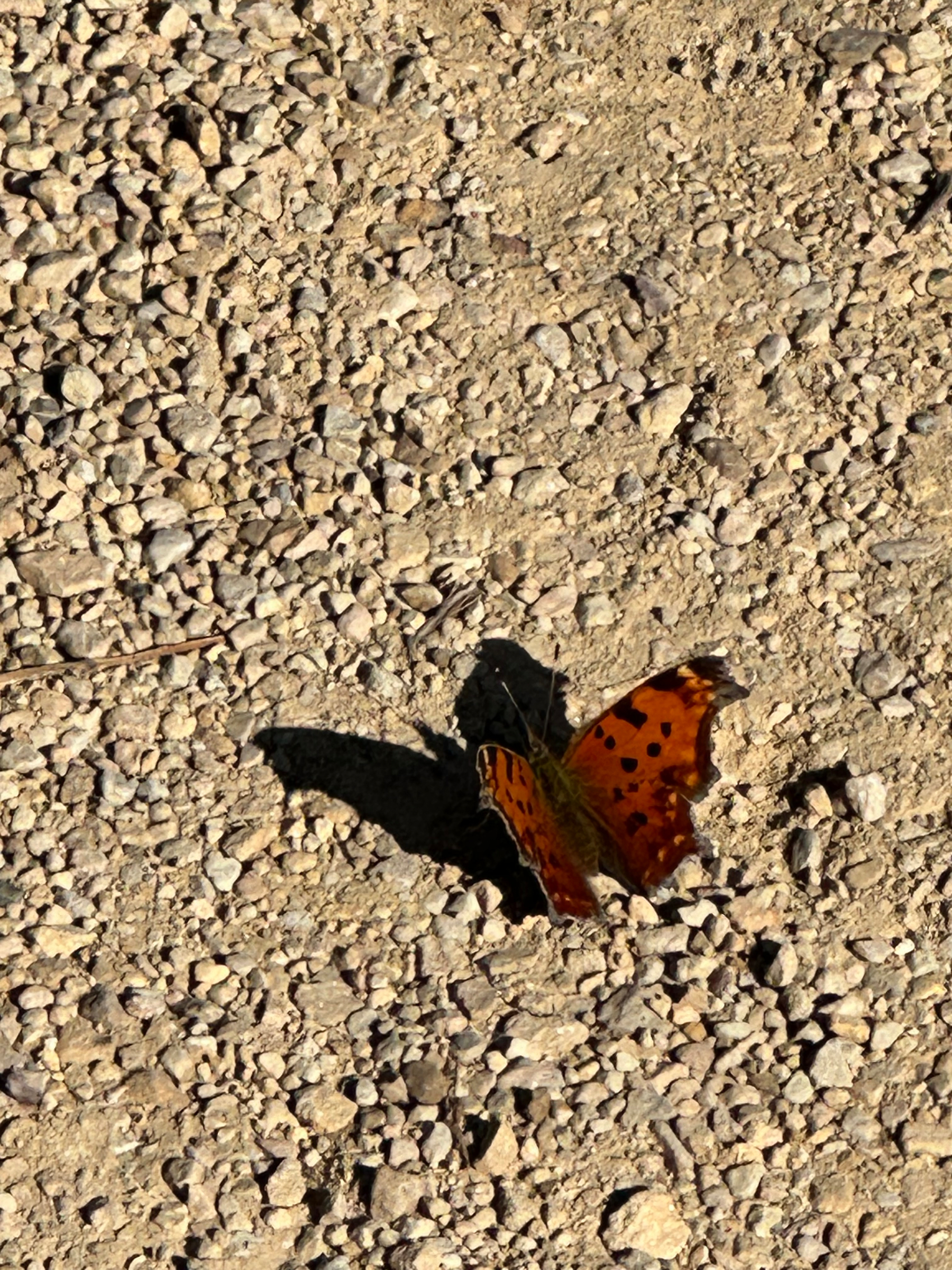
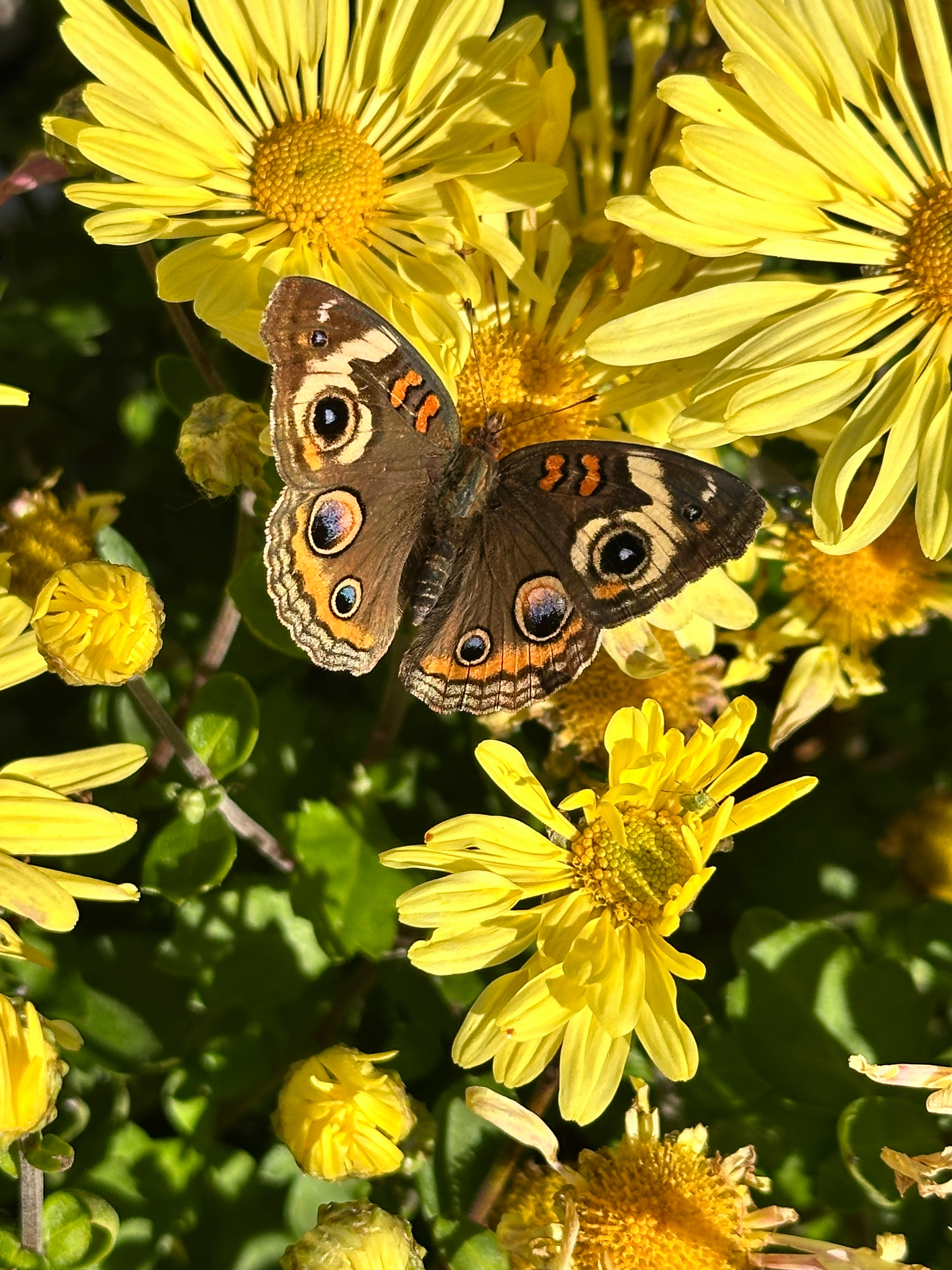
A few comma butterflies (nymphalidae) warmed themselves on the sunny gravel paths, where they probably also sipped salt from the stones.
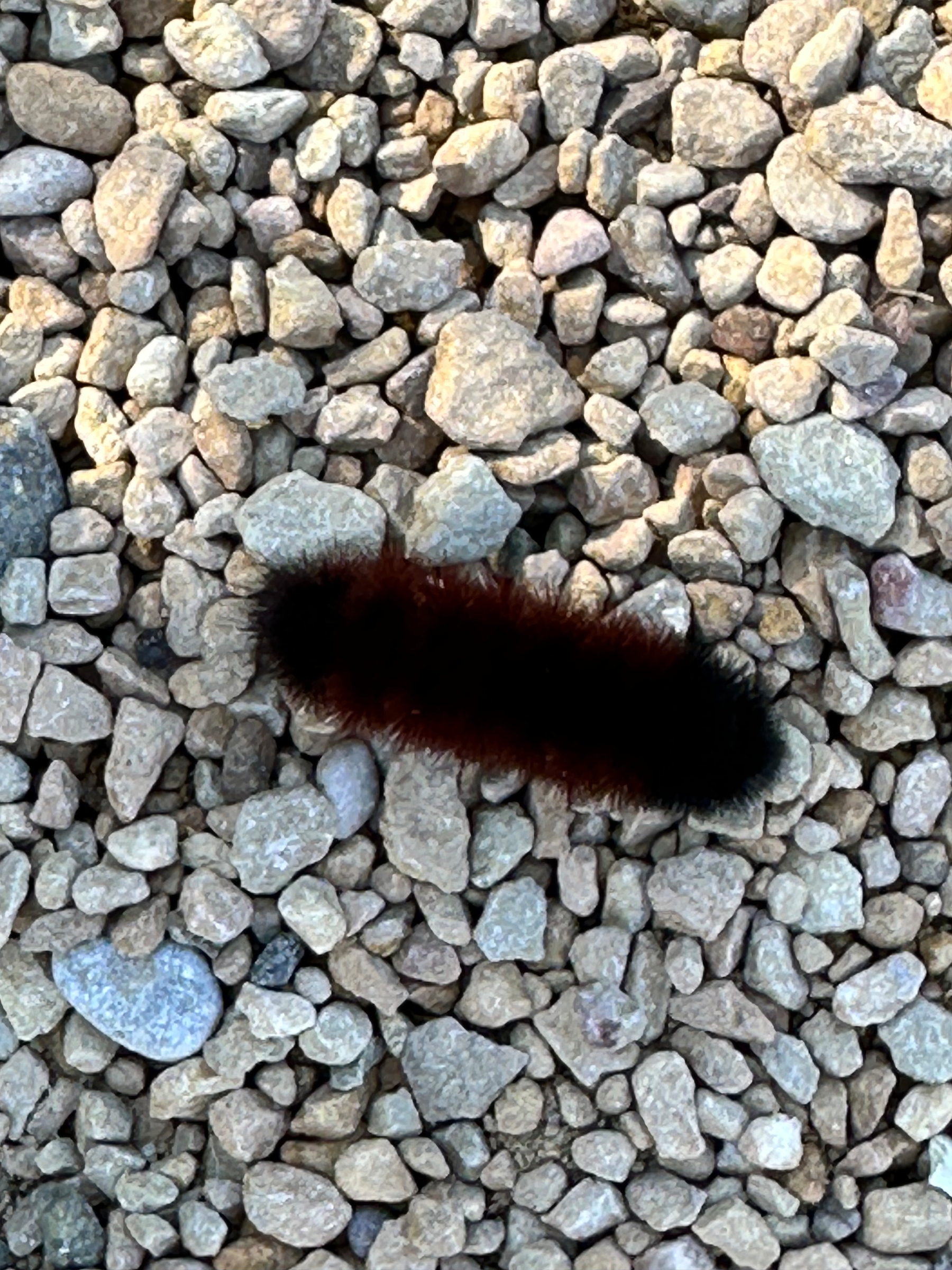
A wooly bear caterpillar shuffled its slow way across the path.
Thousands of grasshoppers leapt up as we ran by.
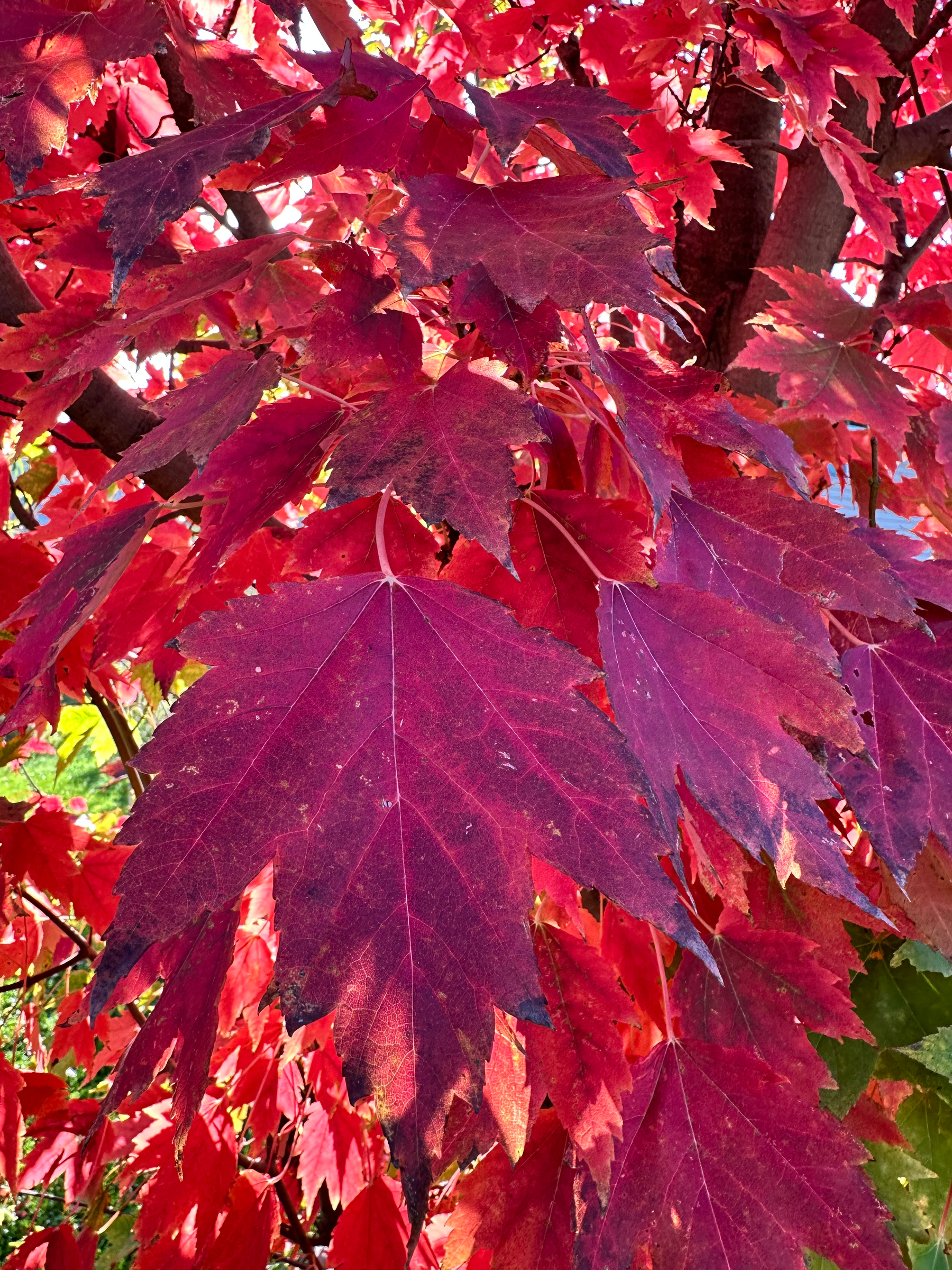
And the golden, brown, red, and purple leaves made soft sounds as they let go of their summer perch and drifted to the ground.
Buckeye
On campus today. Winter has not yet arrived.
“[Polykrates] raided and plundered everyone without exception. In fact, he once said that he could better ingratiate a friend by returning what he had taken than by never taking it in the first place.” — Herodotus 3.39
Bugs in my Books
My journals are full of bugs.
And other beautiful things I see in the world.
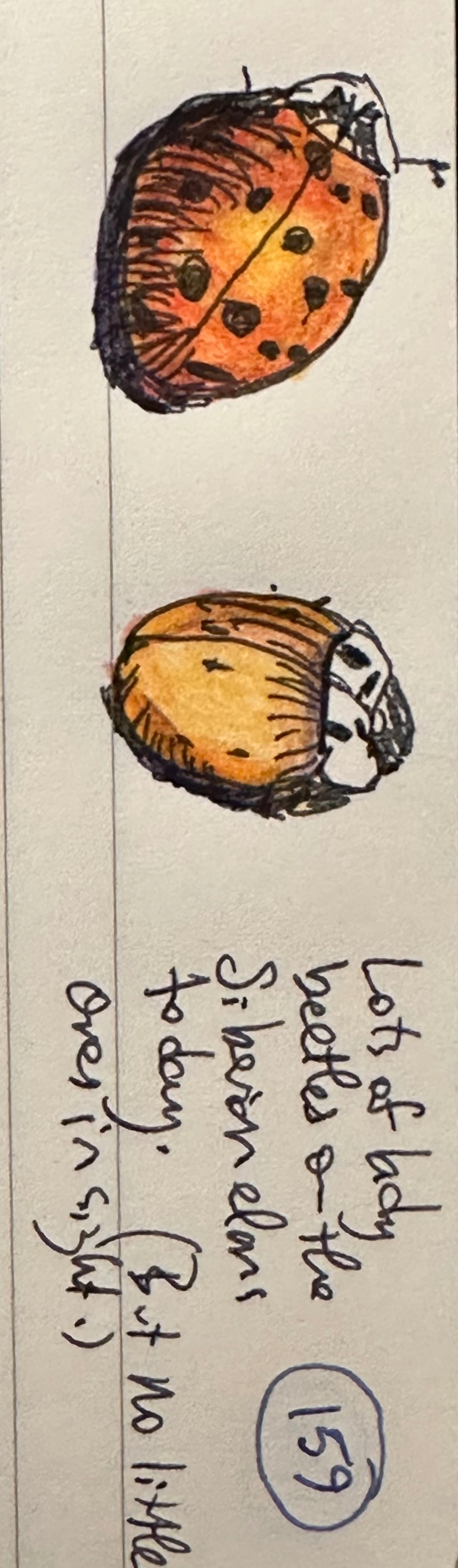
Yesterday in the warm sun I was checking out a few places where the coccinellidae gather, to see who was there. I was hoping to see some of the Hyperaspis species that I sometimes find there, rare little treasures that we easily overlook. But i was glad to see the big, bright, joyful colors of a few of rhe larger species of lady beetles.
And so I sketched them in my journal, just as I urge my students to do.
Listening
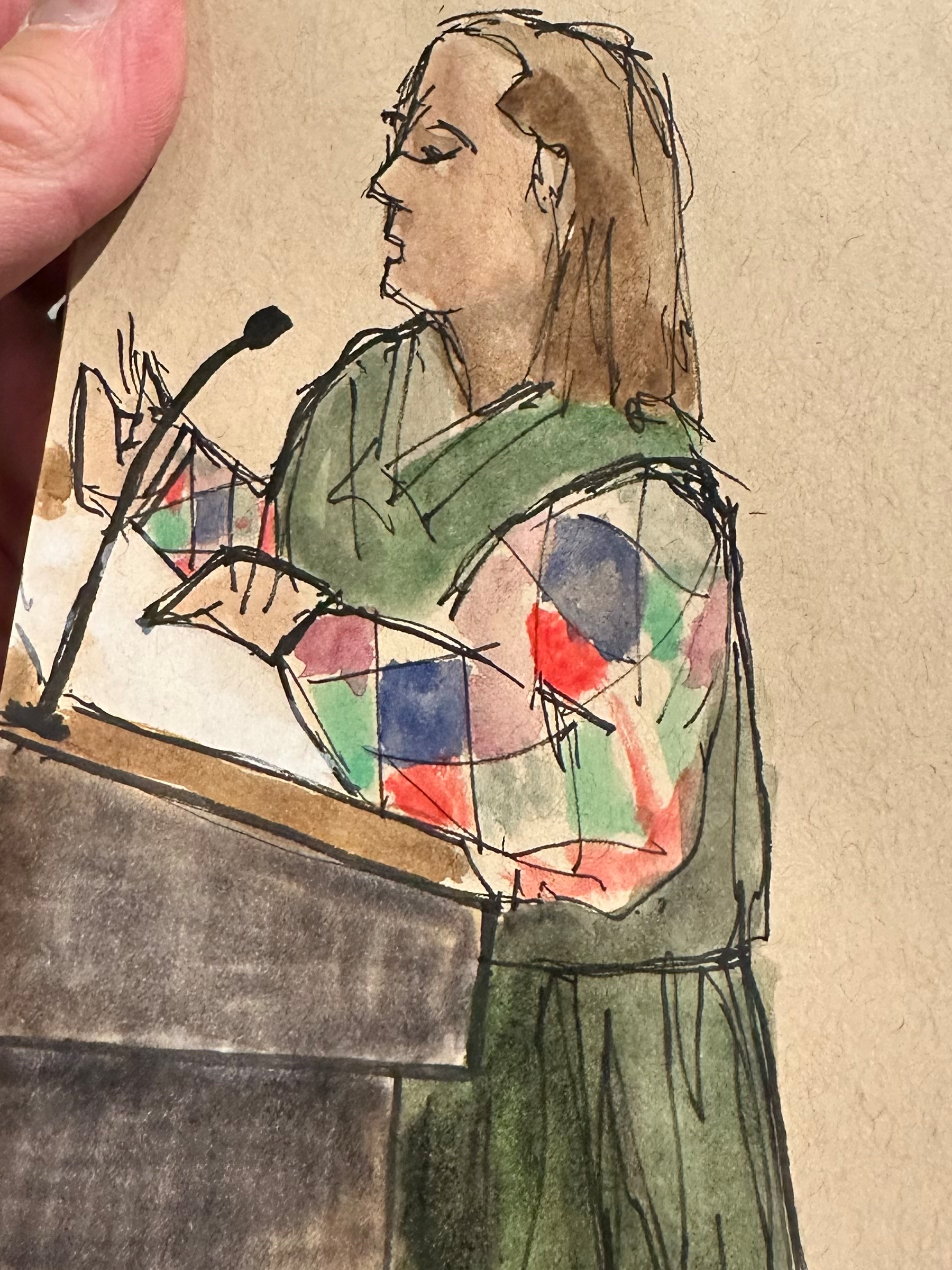
I’ve reached that point where it is hard for me to listen to a talk without taking some time to sketch the person talking.
I mean, I can listen either way, but why waste the opportunity to sketch and paint while listening? That way I get the benefit of the lecture AND extra art practice. What’s the downside?
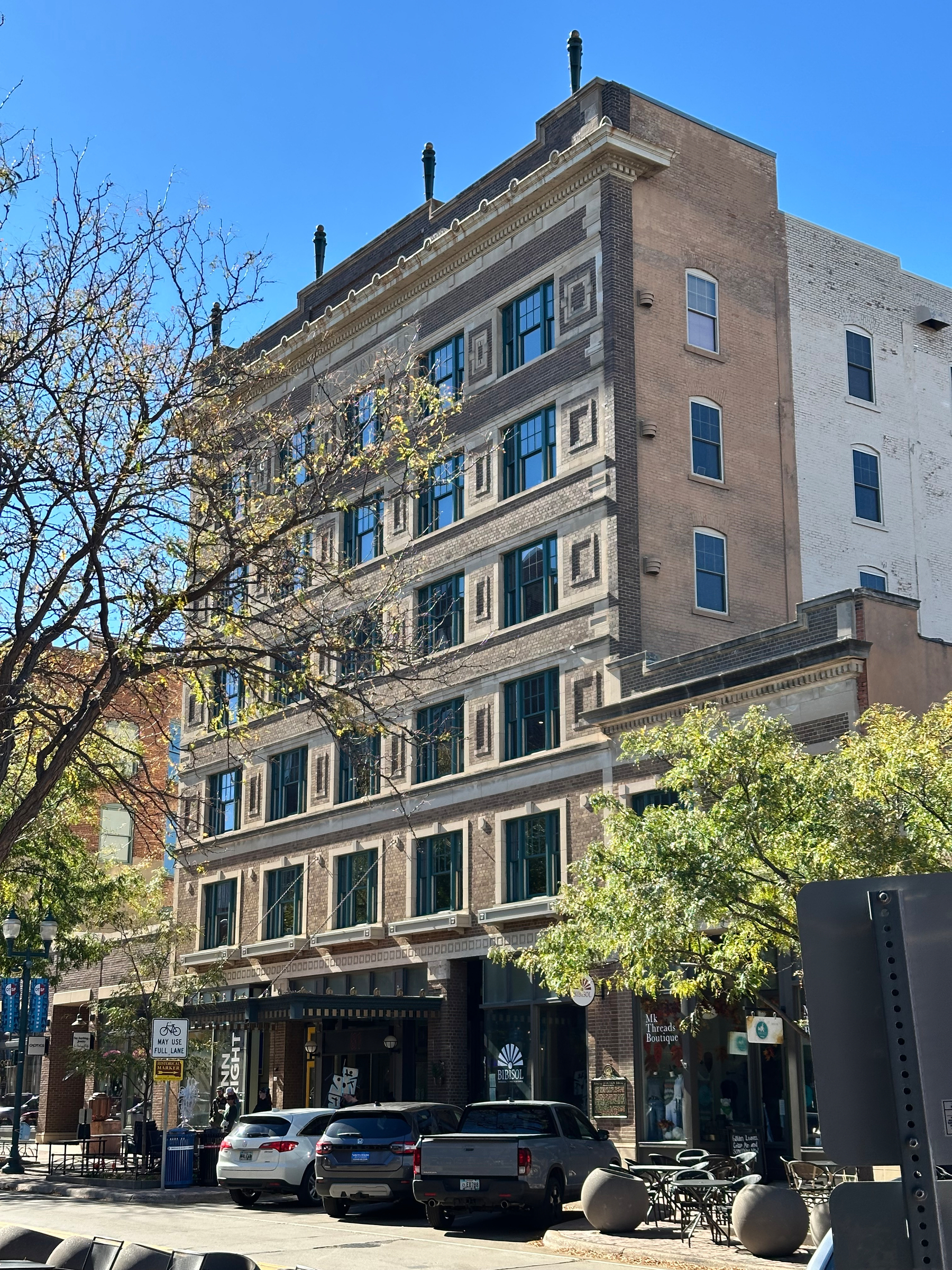
The Carpenter
Downtown Sioux Falls, photo taken during an afternoon stroll.
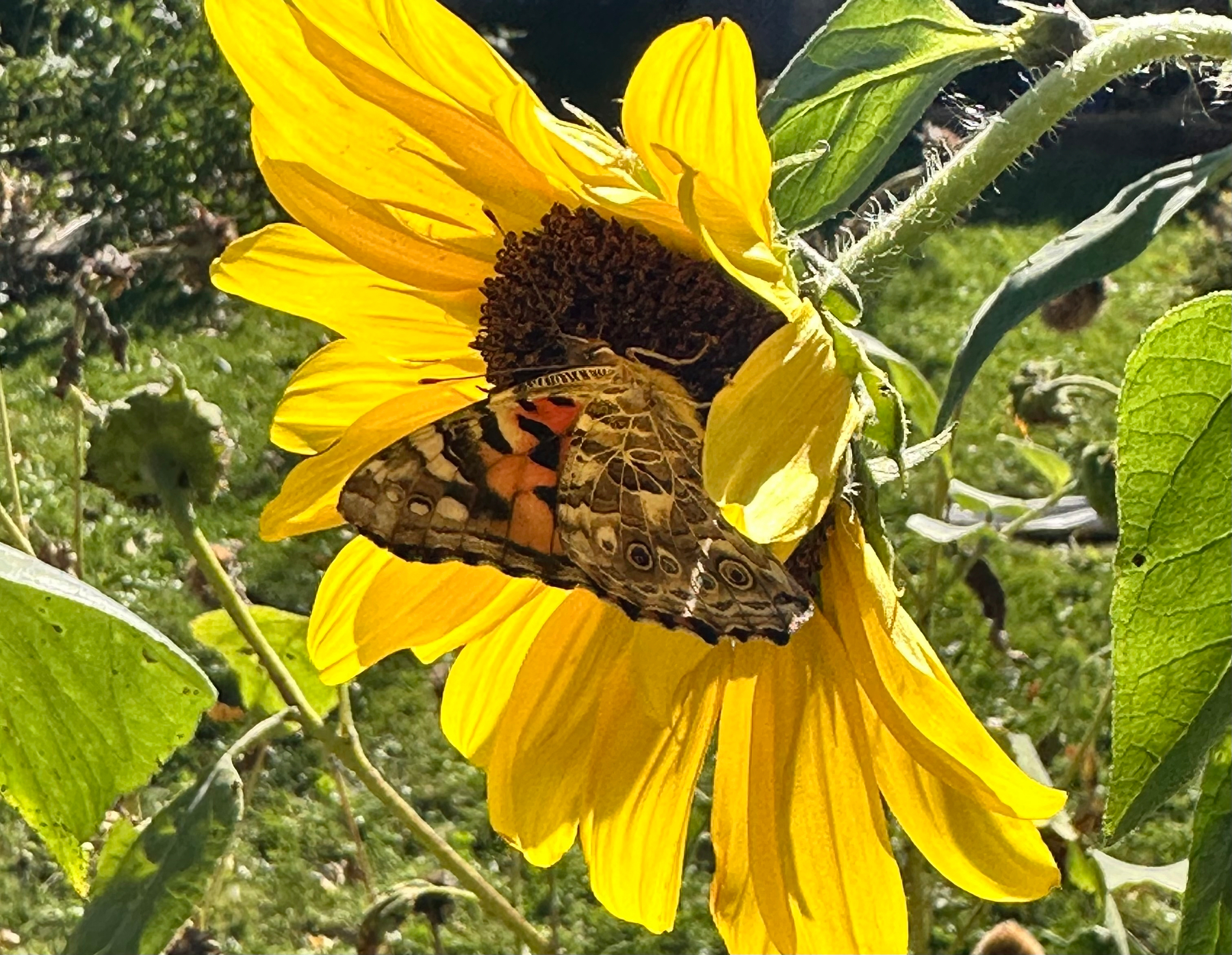
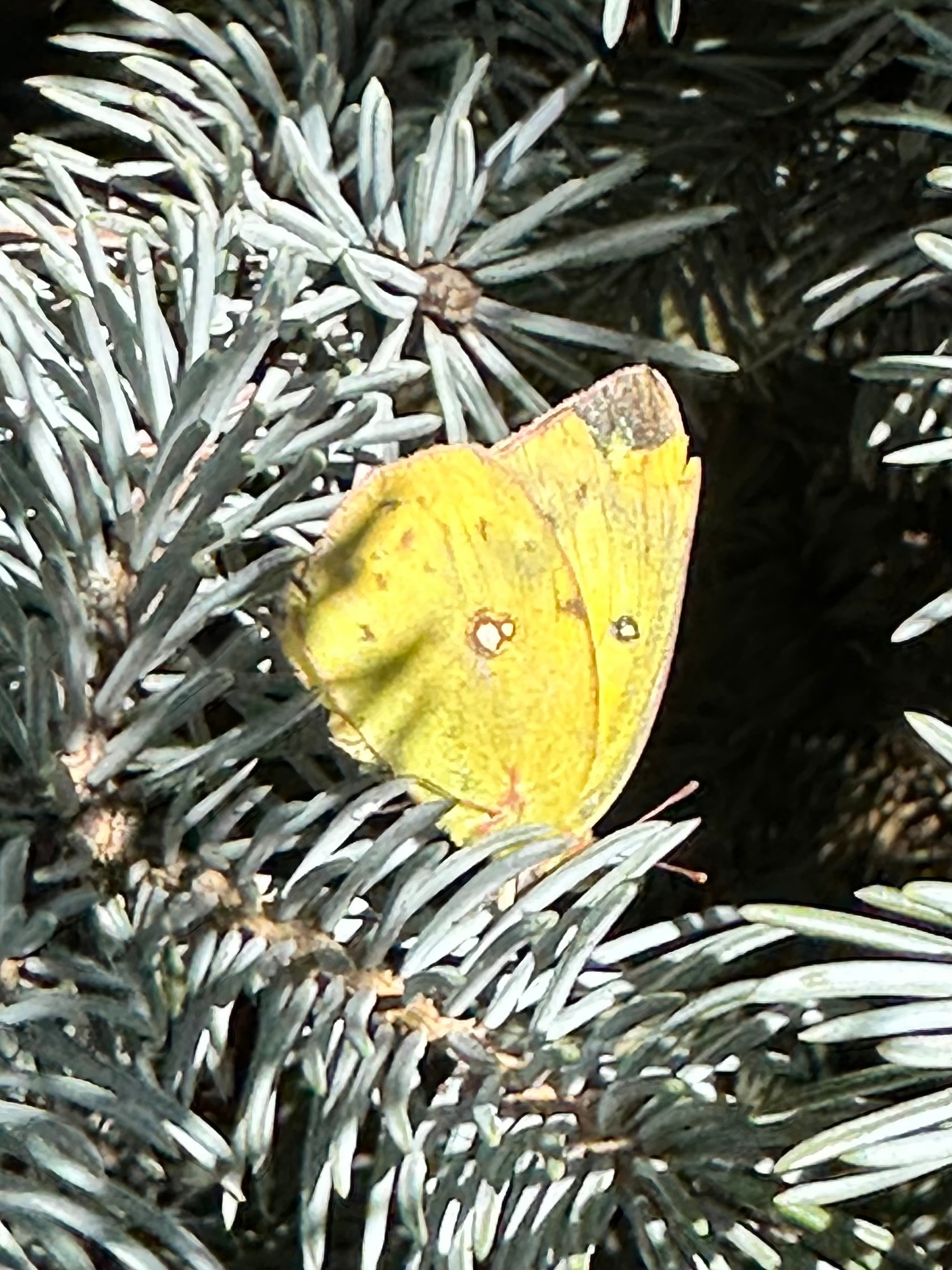
Last butterflies of the season? Maybe. There’s beauty all around us. These two were in my garden this afternoon, despite the frost two nights ago.
Attention
Attention is an indicator of love.
Not attending to what merits our love is indifference.
Attending to what does not merit our love is idolatry.
When businesses work hard to commodify our attention, we should consider who and what actually deserves it.
Cornel West and Robert P. George
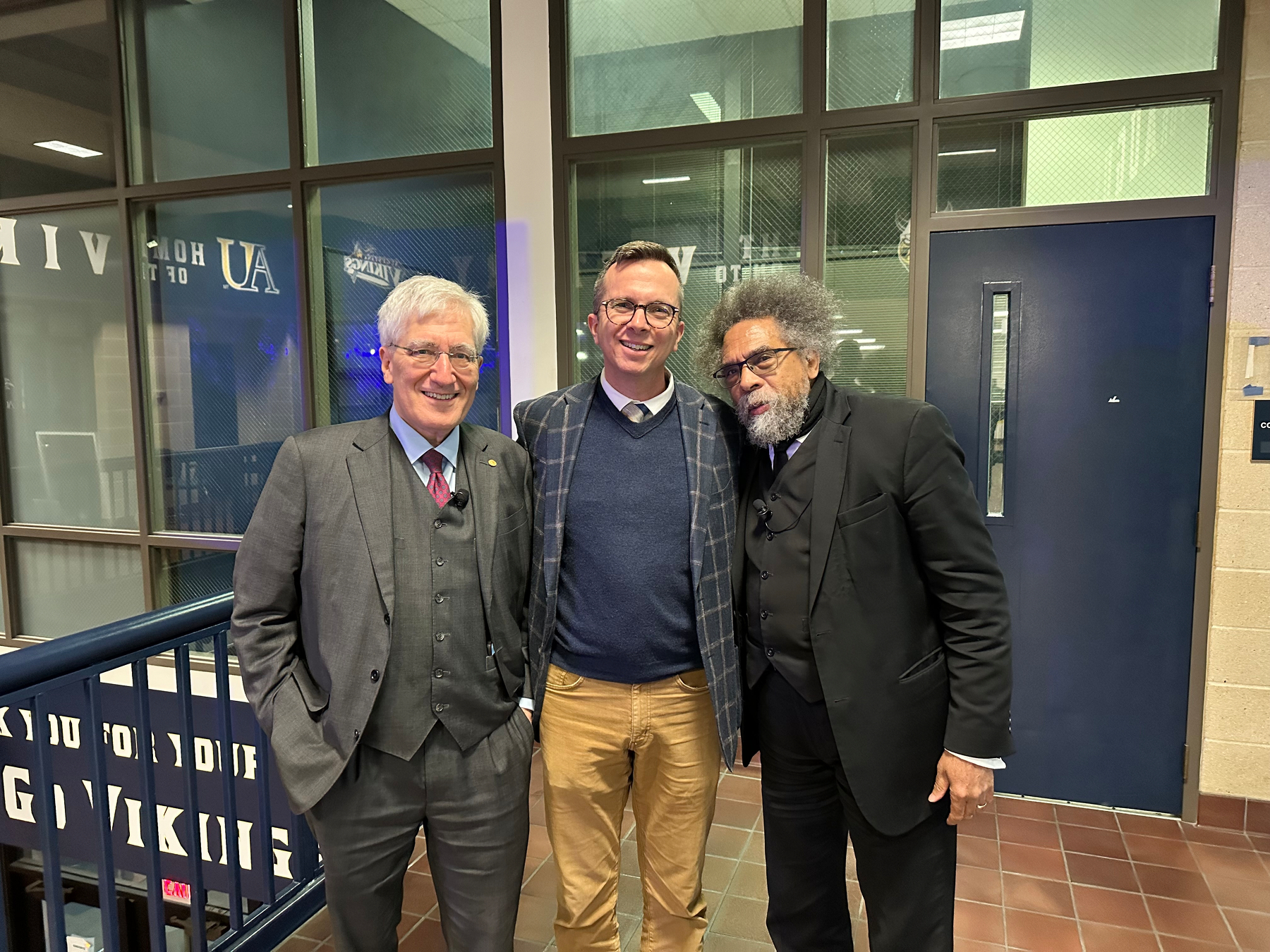
Just spent the last two days hosting Robert P. George and Cornel West on my campus. Life-affirming. Love-affirming. My heart is full. I asked them if we could take this photo for my grandchildren. But it was of course also for me to remember this week.
My Art EDC
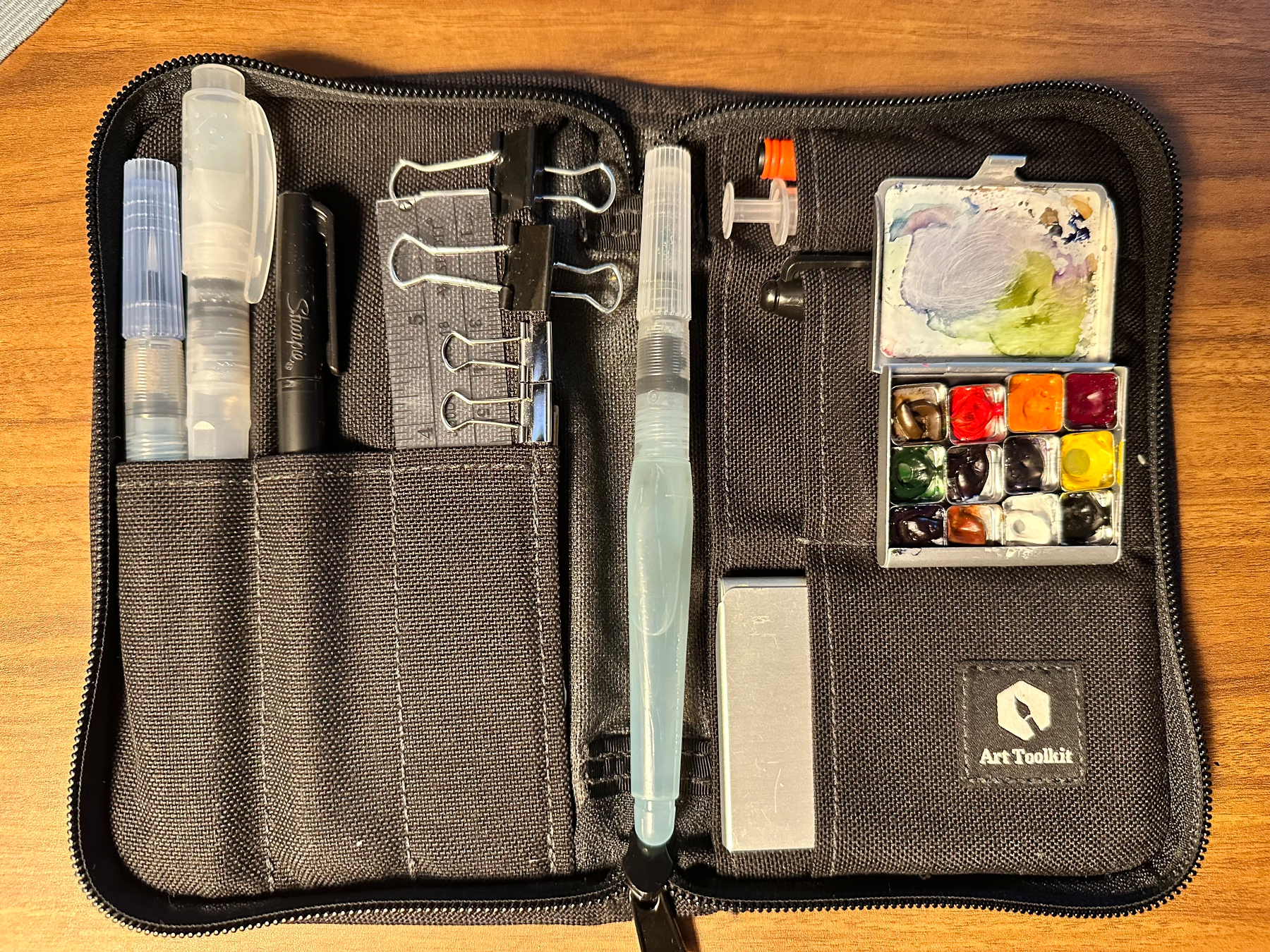
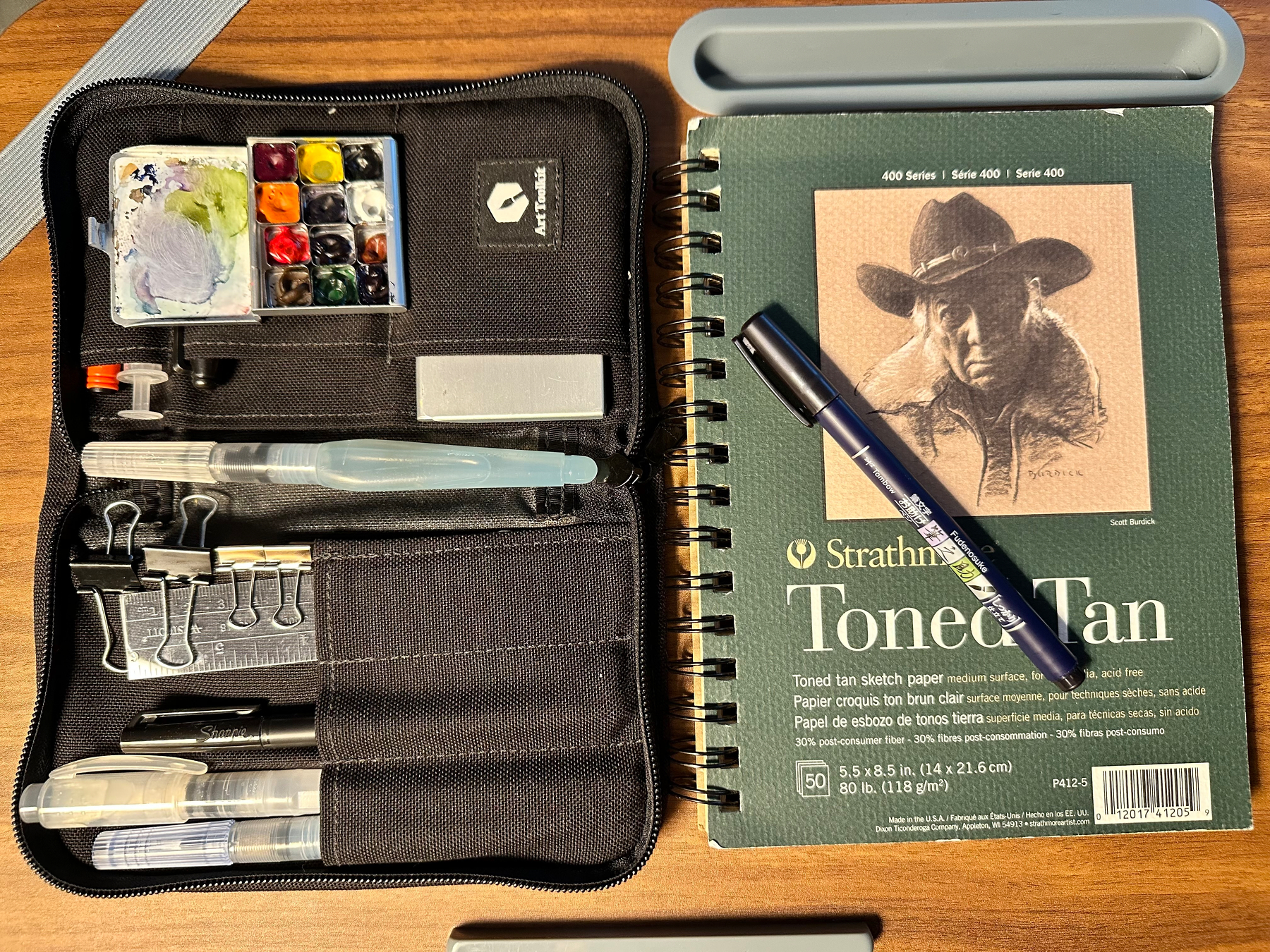
Posting because @mjkaul asked and others have occasionally asked about my “artist EDC”. Here’s my go-to kit for sketching and painting on the go.
- A toned-tan sketchbook from Strathmore.
- A Fudenosuke pen from Tombow.
- A watercolor set from Art Toolkit.
- A water brush from Pentel.
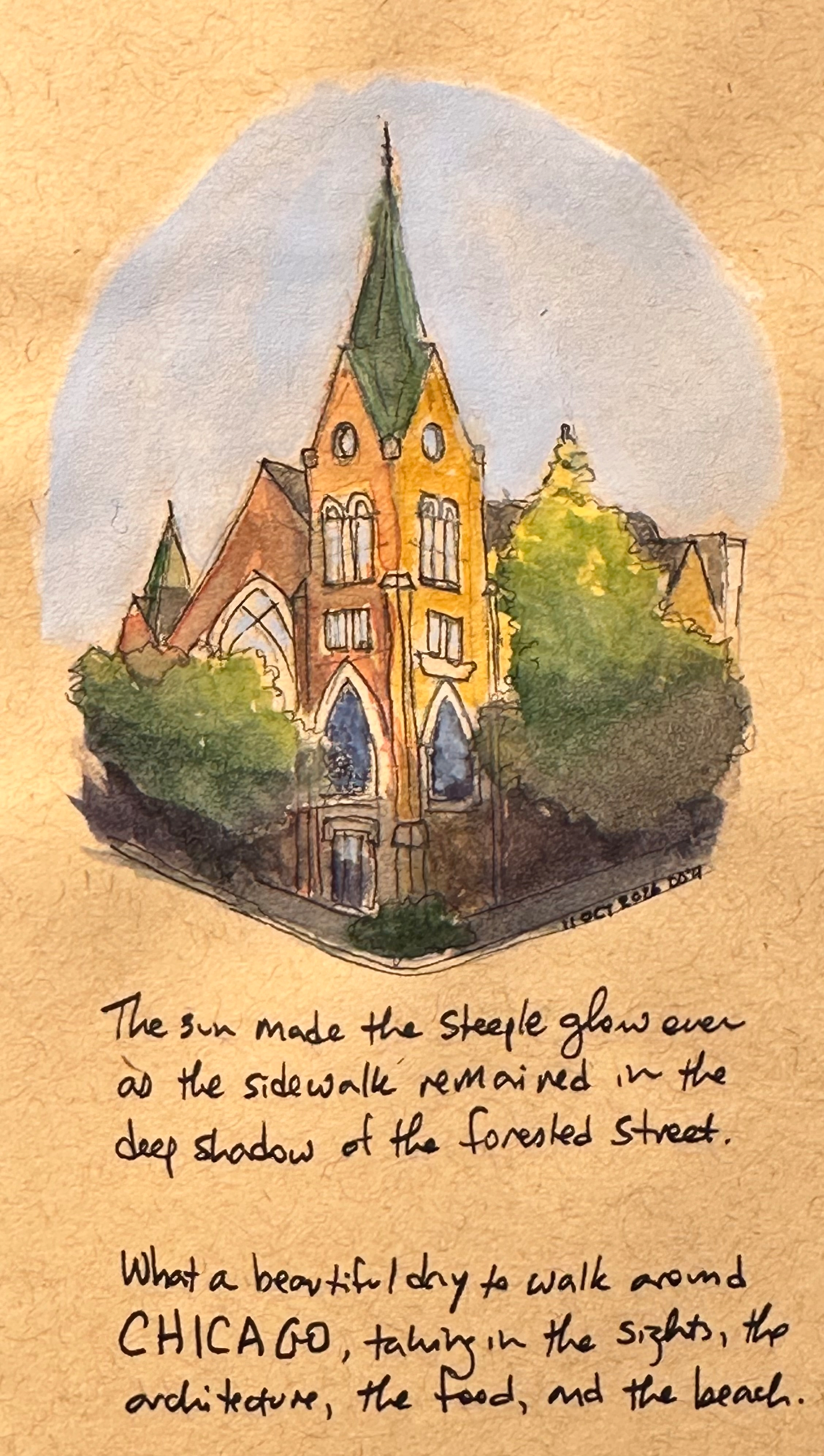
And here’s a recent sketch I did from a photo while on the tarmac at O’Hare, waiting to fly home to Sioux Falls. A great way to deepen the memories of a fine visit.
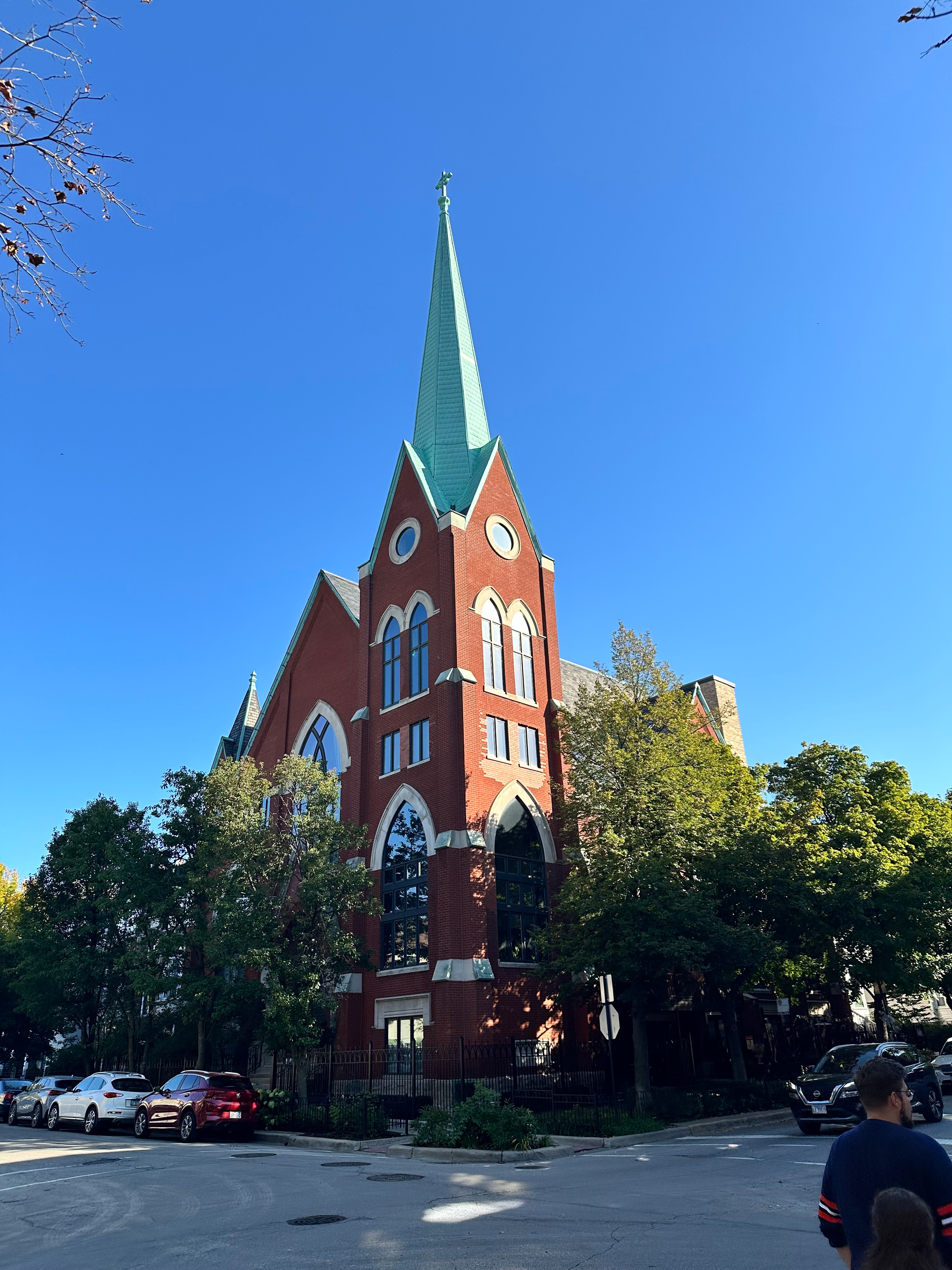
Chicago
Some quick sketches of Chicago on the plane home. These are not the highlights of Chicago, not the usual photos one sees in tourist brochures. They’re the invasive mussel shells I saw while thinking of the future of the place where my granddaughter lives. They’re a small steeple in a wooded street not far from hot urban streets with noisy elevated trains and no shade. They‘re memories of a weekend with people I love in a wonderful city.
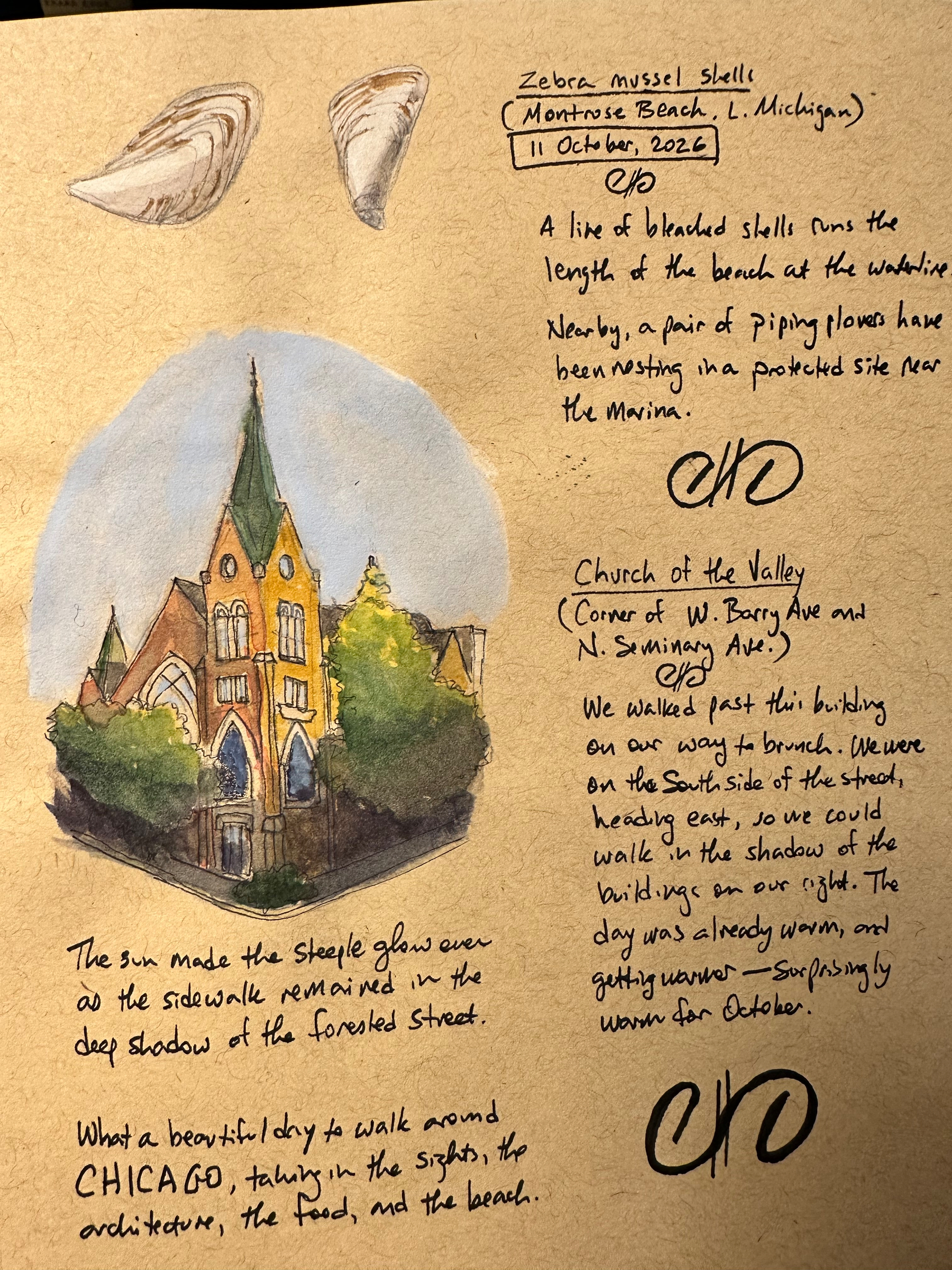
Travel sketch. Walked down to Oak & Honey for brunch today, and came upon the Chicago Marathon on the way.
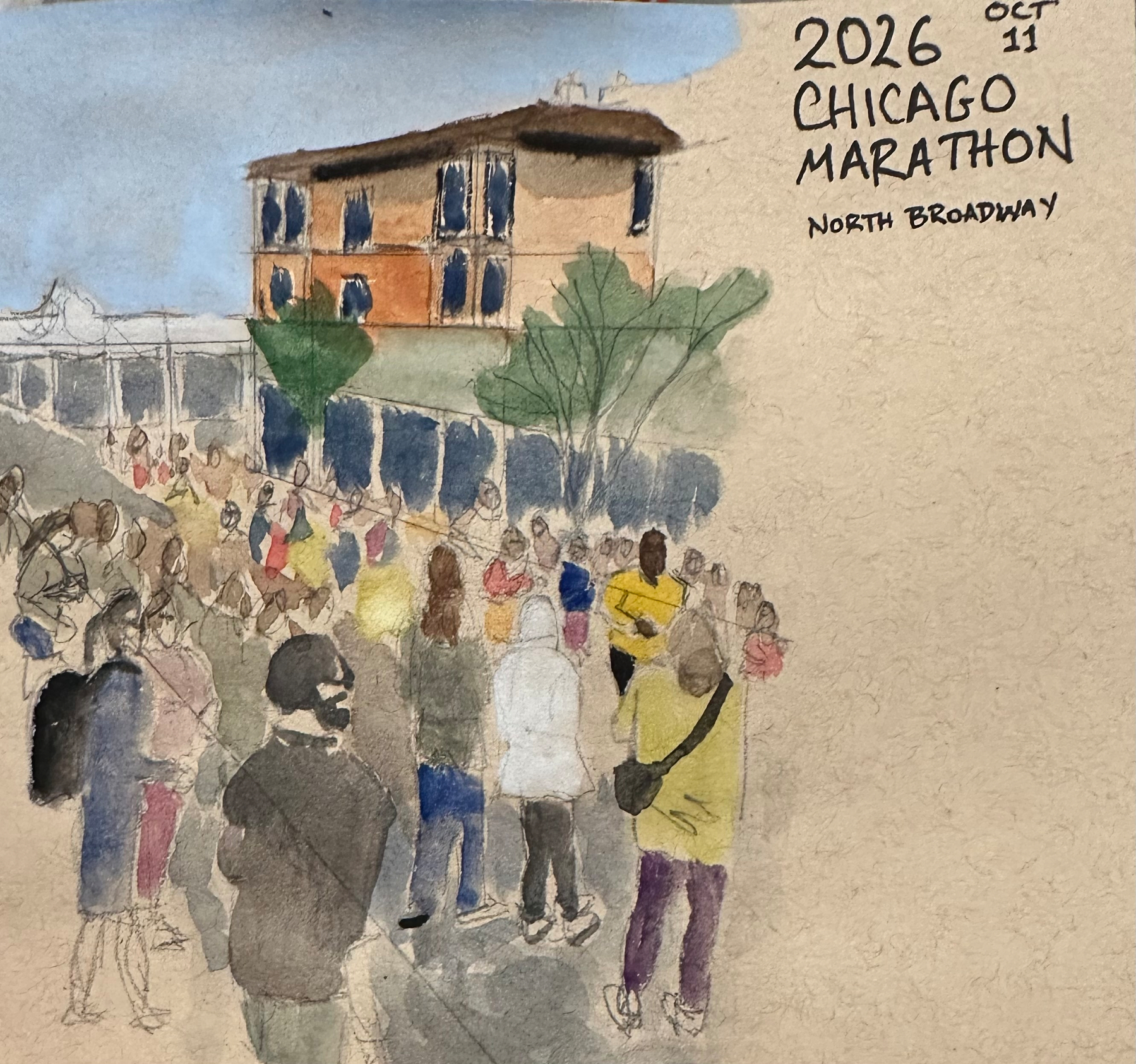
A beautiful day in Chicago with my family, portrayed in two watercolor sketches.
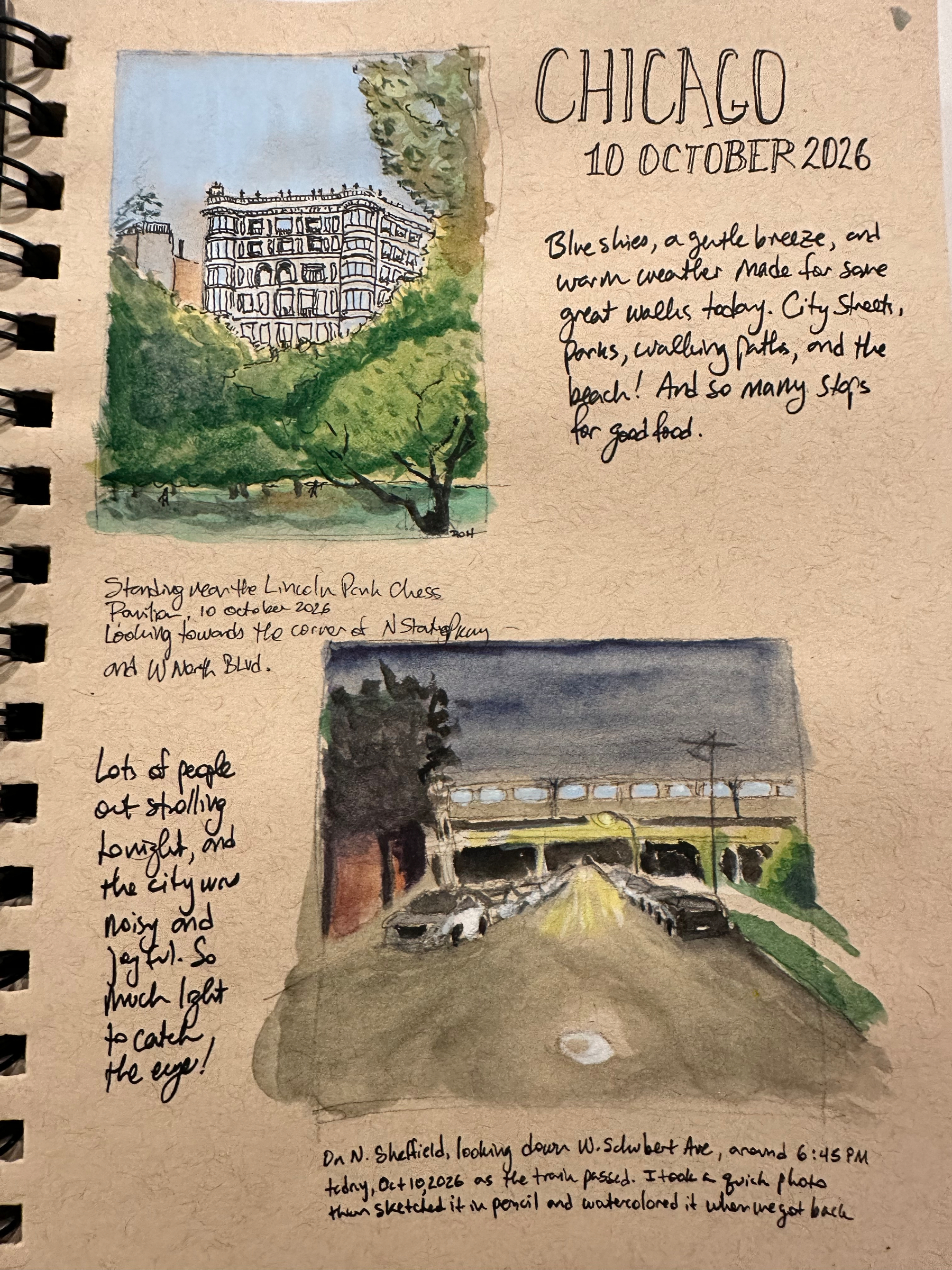
Lincoln Park, Chicago. Watercolor and gouache on tan paper, details with micron pen. Sometimes my nature journal becomes an urban sketchbook.
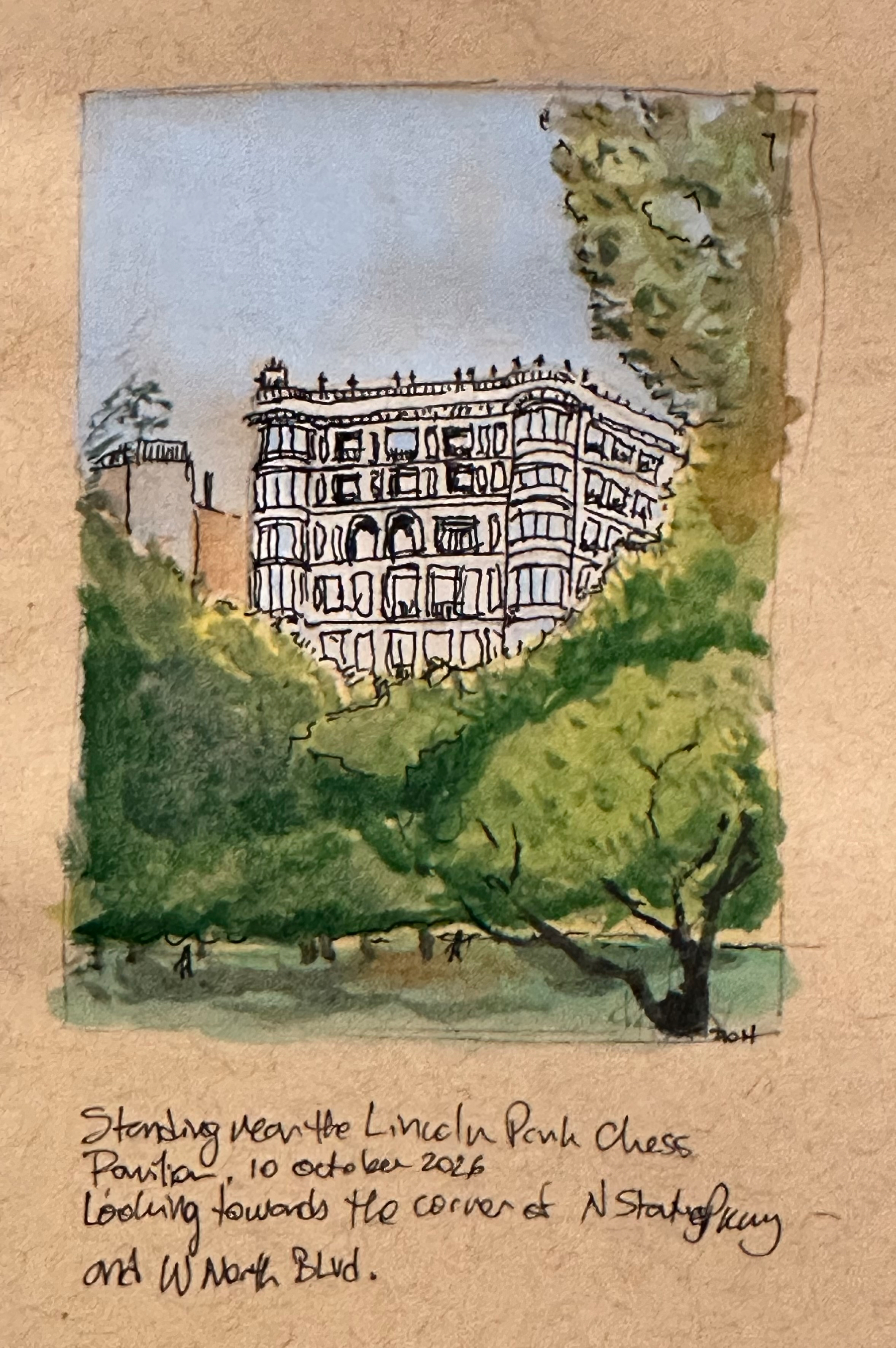
Minneapolis 🎨🏛️
More time on planes after a short visit to Minneapolis.
The Twin Cities are beautiful. So much to please the eye in both the natural and the built environments. Minneapolis is a great place for walking and biking, and there are so many good places to find good food and to visit.
It’s hard to forget that Minneapolis has been through some hard times recently. I love this place, I love the people. And I hope for better days ahead.
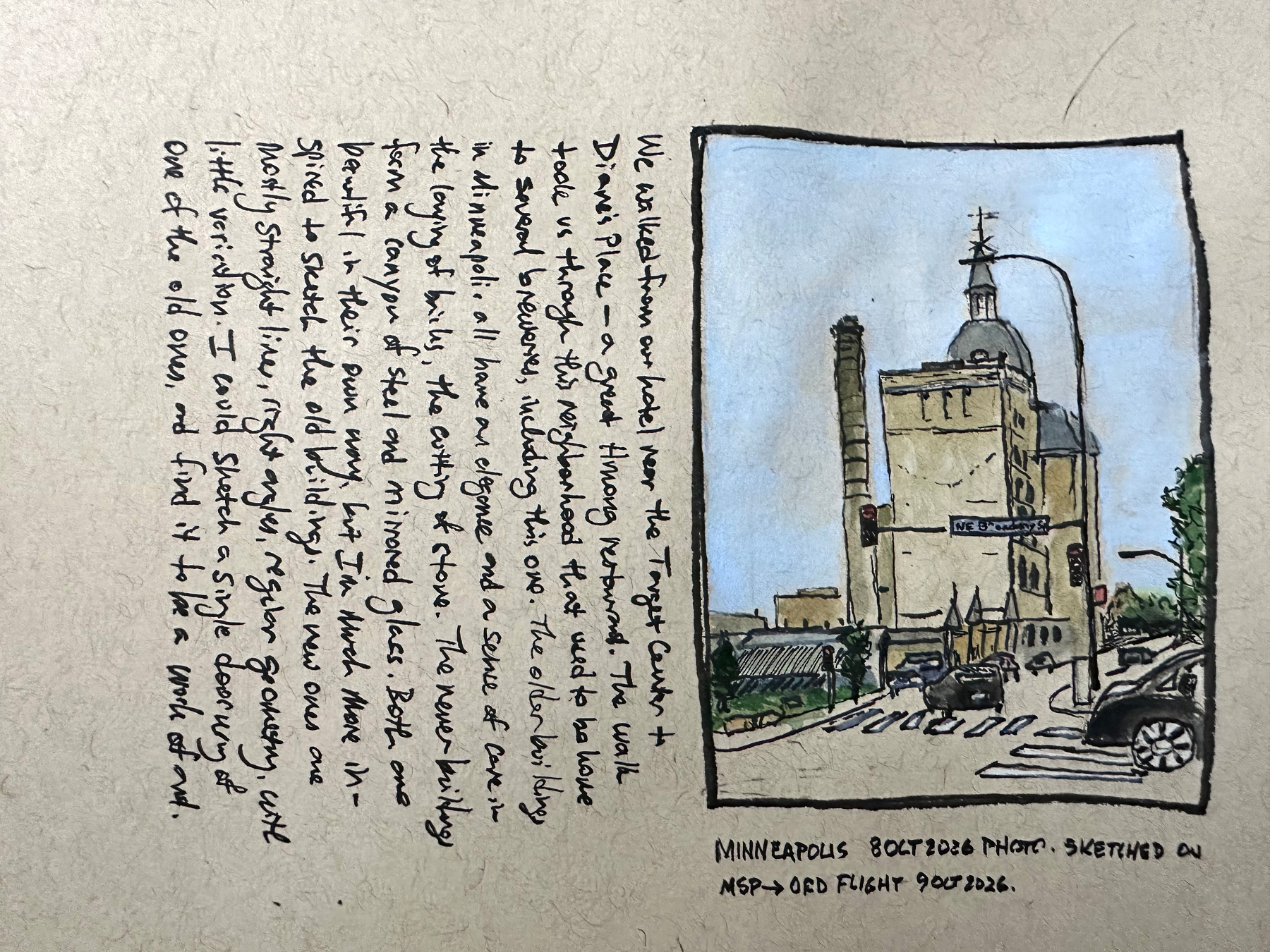
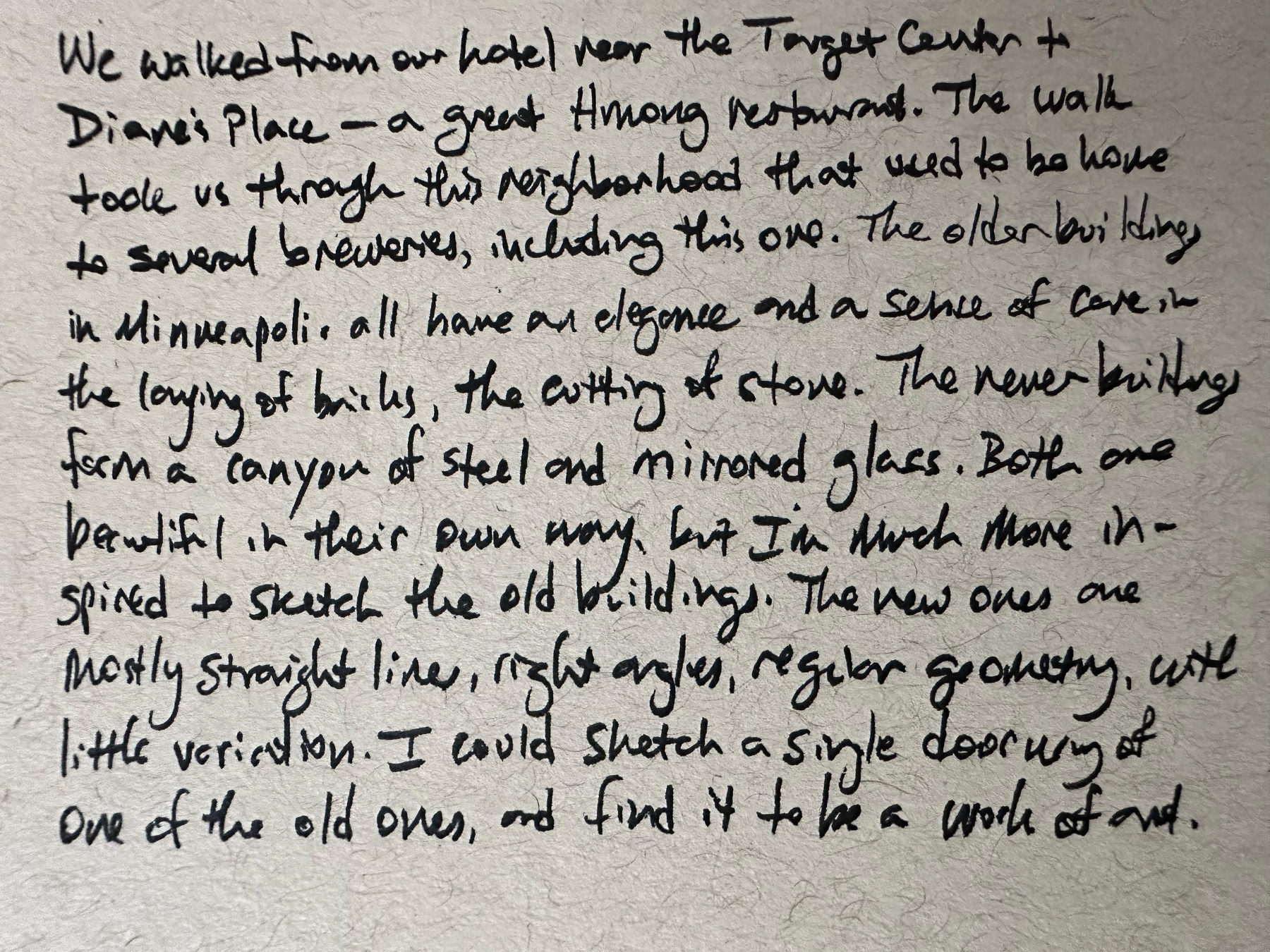
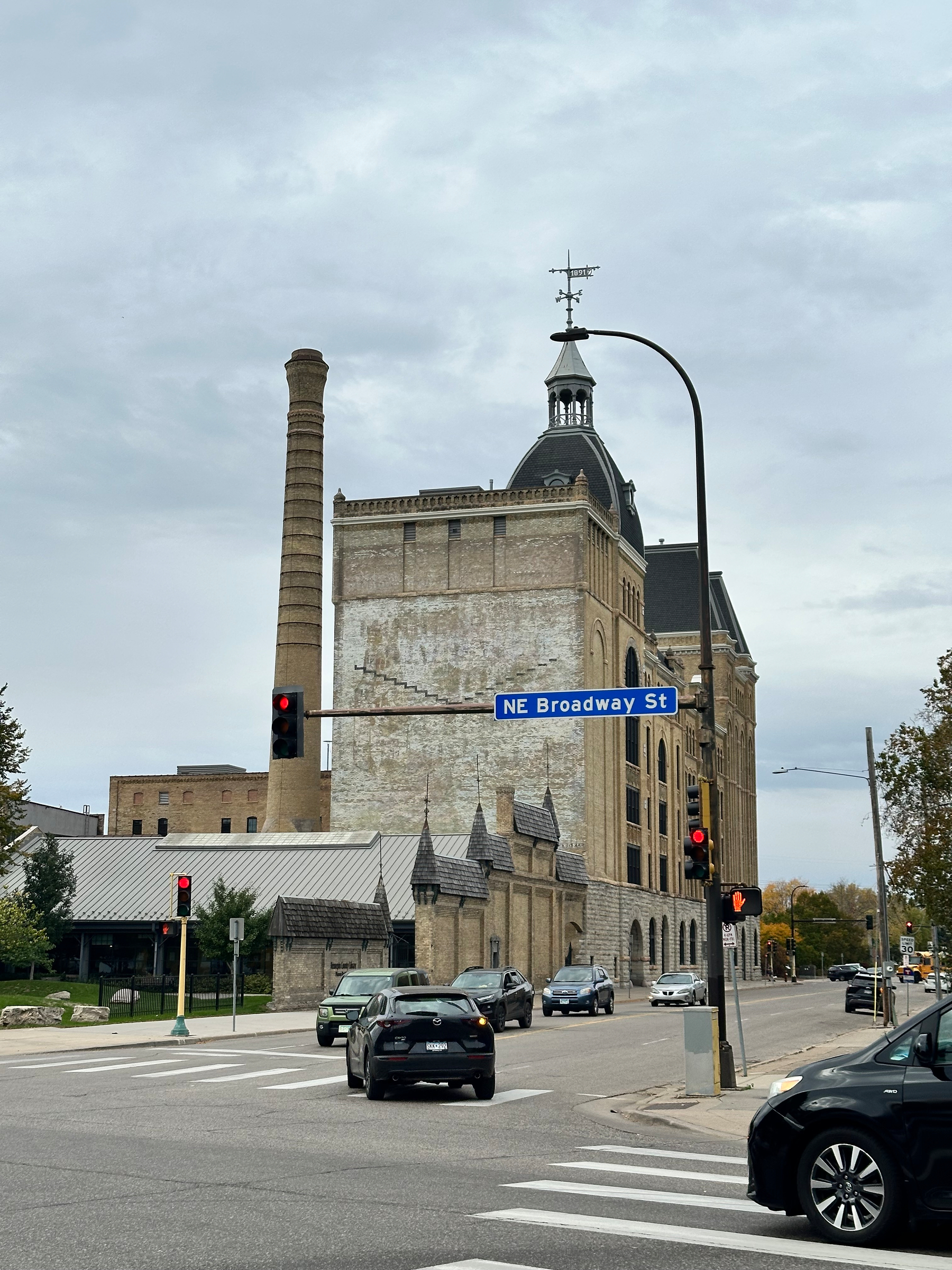
What I do on planes.
I’m usually not interested in all the screens planes now have on the back of every seat. But here is my sketchbook, and here is a photo I took in the garden yesterday. Why not study the photo and do a little sketch?
Angelus